Explore practical guides and deep dives on cosmetic formulation, covering emulsions, actives, stability, and more to help chemists create effective, safe, and market-ready products.
In today’s beauty landscape, we are witnessing a paradigmatic shift — one not driven by surface trends or short-lived marketing, but by a profound reorientation toward human biology, lived experience, and genuine benefit.
In cosmetic formulation, pH is far more than just a number on a specification sheet. It directly influences the stability, performance, and safety of active ingredients.
The cosmetics industry has always been a combination of art and science, and yet today we are at the forefront of a formulation revolution – one that is born out of performance but driven by responsibility, sustainability, and…
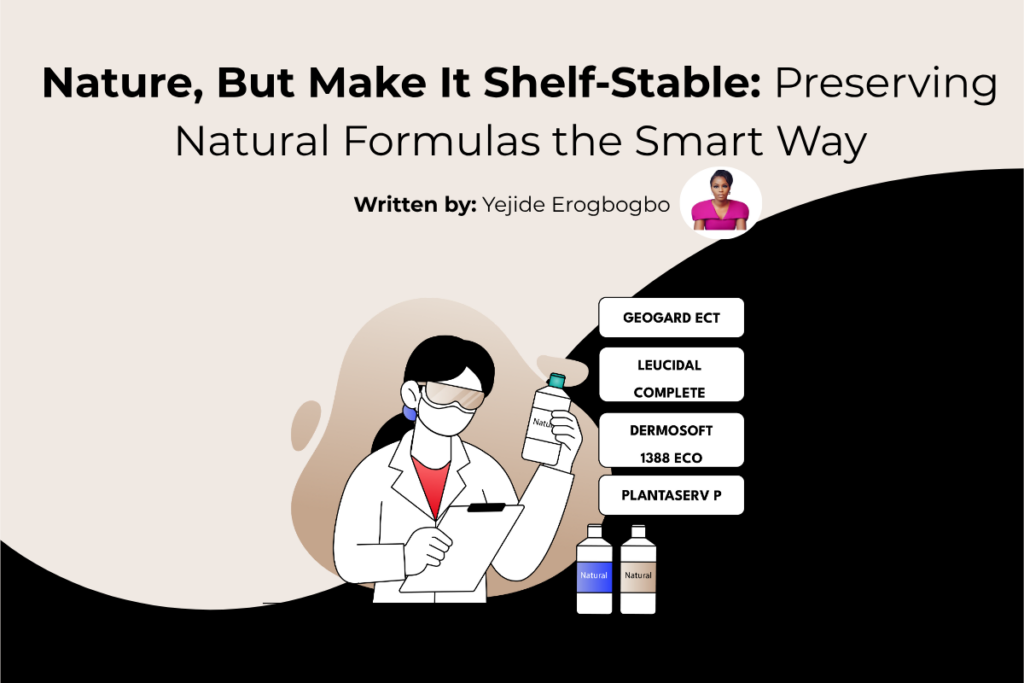
A real-world guide to balancing clean beauty with stability, safety, and shelf life Formulating natural skincare is both a creative process and a scientific challenge.
A real-world guide to what works best in the lab Emulsifiers are essential for creating stable, effective skincare products. They allow oil and water to mix, forming smooth, consistent creams, lotions, and serums.
Choosing the right preservative isn’t just about efficacy, it’s about compatibility. Different types of personal care products have unique formulation challenges and microbial risks. Water activity, packaging, application site, and formula composition all play a role.
Preservatives are essential in personal care and cosmetic products to prevent microbial growth, extend shelf life, and protect consumer safety. Yet few formulation topics are more misunderstood—or more controversial.
Surfactants are the backbone of cleansing products, but creating a system that balances cleaning efficacy with skin compatibility can be tricky. Harsh surfactants can damage the skin barrier, while overly mild ones may not cleanse effectively.