Common Formulation Problems: Functional Ingredients as the Backbone of the Formula
Many formulation issues are often discovered late in development — during stability testing, scale-up, or even after launch.

A community-driven section featuring guest chemists, original formulas, lab tips, and educational articles written by real cosmetic scientists.
Many formulation issues are often discovered late in development — during stability testing, scale-up, or even after launch.
On a bright afternoon, a family unpacks its umbrella at the beach.
In cosmetic formulation, pH is far more than just a number on a specification sheet. It directly influences the stability, performance, and safety of active ingredients.
Continuous manufacturing is a production method in which raw materials are fed into the process and products are output uninterrupted, 24/7.
In an industry where “natural” and “organic” are no longer niche, the question isn’t if a brand is clean—it’s how clean, how traceable, and how aligned with consumer values its ingredients really are.
How the FDA 1% Labeling Rule Can Be Used To Manipulate A Product’s List of Ingredients The FDA’s Labeling Rule for cosmetic product list of ingredients requires that cosmetic ingredients are listed in descending order of the percent…
R&D teams are often portrayed as quiet figures in lab coats—working behind the scenes while magic somehow happens. But in reality, chemists and formulators are often the unsung operational backbone of product development.
When you open a jar of face cream or use a bottle of shampoo the first thing you think of is probably might not be the invisible world of microbes.
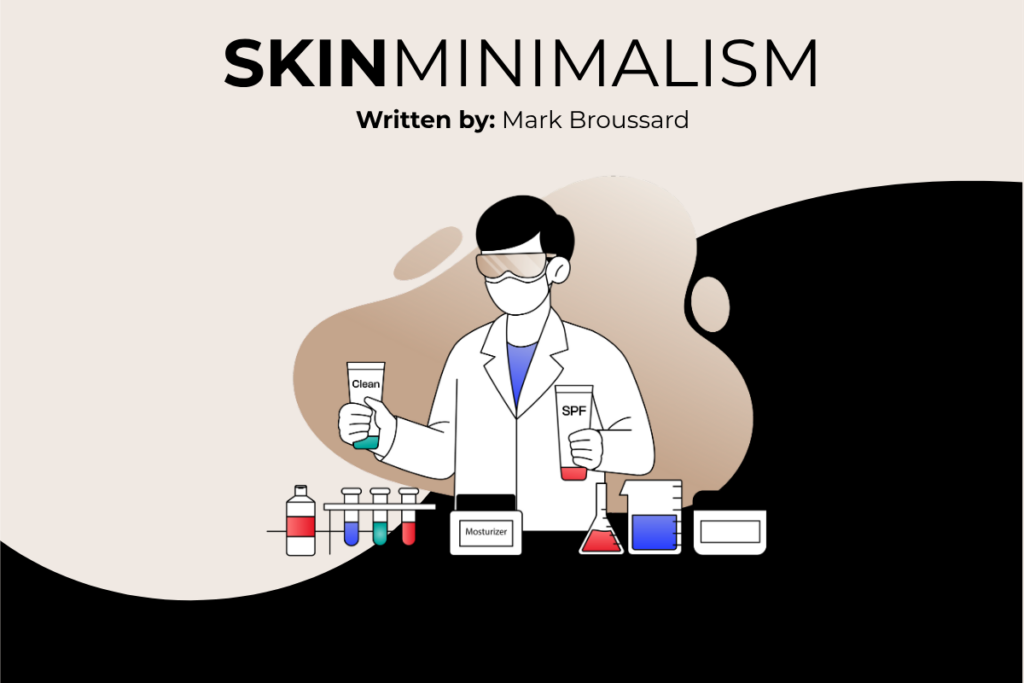
What Is Skinminimalism? Skinminimalism (or Skinimalism) is an emerging trend driven by consumers seeking to simply their skin care routines.
In today’s beauty and wellness landscape, consumer demand is high, but so is scrutiny. Whether it’s a tinted balm, gel cleanser, ingestible, or body serum, modern products must meet performance, regulatory, and emotional standards all at once.